
"Technology integration in today's world is a vast and often overwhelming landscape. It's easy to feel lost trying to determine where to begin or what solutions are truly necessary.”
At Shift CTRL Consulting, we understand that technology integration isn't a one-size-fits-all solution. We move beyond pre-packaged ideas to offer customized training, planning, and support tailored to your specific needs. Whether you're an individual seeking to enhance your skills or an organization aiming to transform your technology practices, we prioritize thoughtful planning, goal setting, and open conversations to uncover what's truly possible and most effective for you.

TECHNOLOGY Integration WORKSHOPS
-
Shift CTRL Consulting provides technology workshops with a focus on accessibility and convenience. Choose from in-person sessions for hands-on collaboration, virtual workshops for remote teams, or a hybrid approach that blends both. Our workshops are scalable, catering to small teams for focused training or larger groups for broader organizational development. We adjust the content and format to maximize interaction and knowledge retention, regardless of group size or delivery method.
-
Artificial Intelligence (AI) for Productivity
Creating Multimedia Content
Strategic Use of Social Media
Data Organization and Visualization
Enhancing Your Digital Presence
Creative Communication with Technology
Productivity Suites (Microsoft 365, Google Workspace)
Communication Tools and Platforms
Cybersecurity Awareness
-
Technology, when integrated effectively, becomes a powerful catalyst for enhancing individual and group performance. By promoting digital literacy skills, you maximize the talent within your organization.
-
Our service costs vary depending on the level of customization required, the length of the engagement, the amount of preparation involved, and any necessary travel. As a general guideline, basic workshops begin at $500 for a half-day session and $800 for a full-day session. We're happy to provide a detailed quote based on your specific needs following an initial consultation.
-
To get started with technology workshops, it's helpful to first consider your current technology landscape. What technologies are you already using? What's not working effectively? What obstacles do you believe technology could help overcome, or perhaps is even contributing to? It's also important to assess the specific needs of your staff; a short survey can be a valuable tool in this process, and we can assist you with that. If you're unsure where to begin, we encourage you to reach out for an initial conversation.

Instructional and Educational Design
-
Our instructional and educational design services prioritize effective teaching and learning, using technology as a tool to enhance engagement and comprehension. We focus on creating interactive and impactful educational experiences, whether for internal staff development, student achievement, or external communication. It's not just about using technology, but about designing experiences that resonate with learners and promote lasting knowledge.
-
We look at transforming your existing content, subject matter expertise, or organizational needs into engaging and effective learning experiences.
Here are some potential areas and specific topics for course development:
Curriculum Design and Instructional Resources
Digital Literacy Skills for the Classroom
Workplace Health and Safety Regulations
Cybersecurity Best Practices
New Hire Orientation
Role-Specific Initial Training
Project Management Software Training
Presentation Skills
Introduction to AI Tools
-
People can access valuable information and skills development on demand, unbound by the constraints of time or physical location. Ultimately, this makes training delivery significantly more efficient, consistent, and scalable, allowing you to deploy standardized education widely using technology instead of repeating the same instruction manually.
-
On the affordable end, utilizing pre-created content, such as interactive multimedia explaining a common process, can be quite economical. Often we can use technology to help provide instruction and assessment of your goals, freeing up valuable time.
-
When embarking on instructional design, it's beneficial to first envision your desired outcomes and clearly define your target audience. Initiating a conversation to discuss these goals can provide valuable feedback and help determine the most effective approach for your training.
TECHNOLOGY INTEGRATION PLANS
-
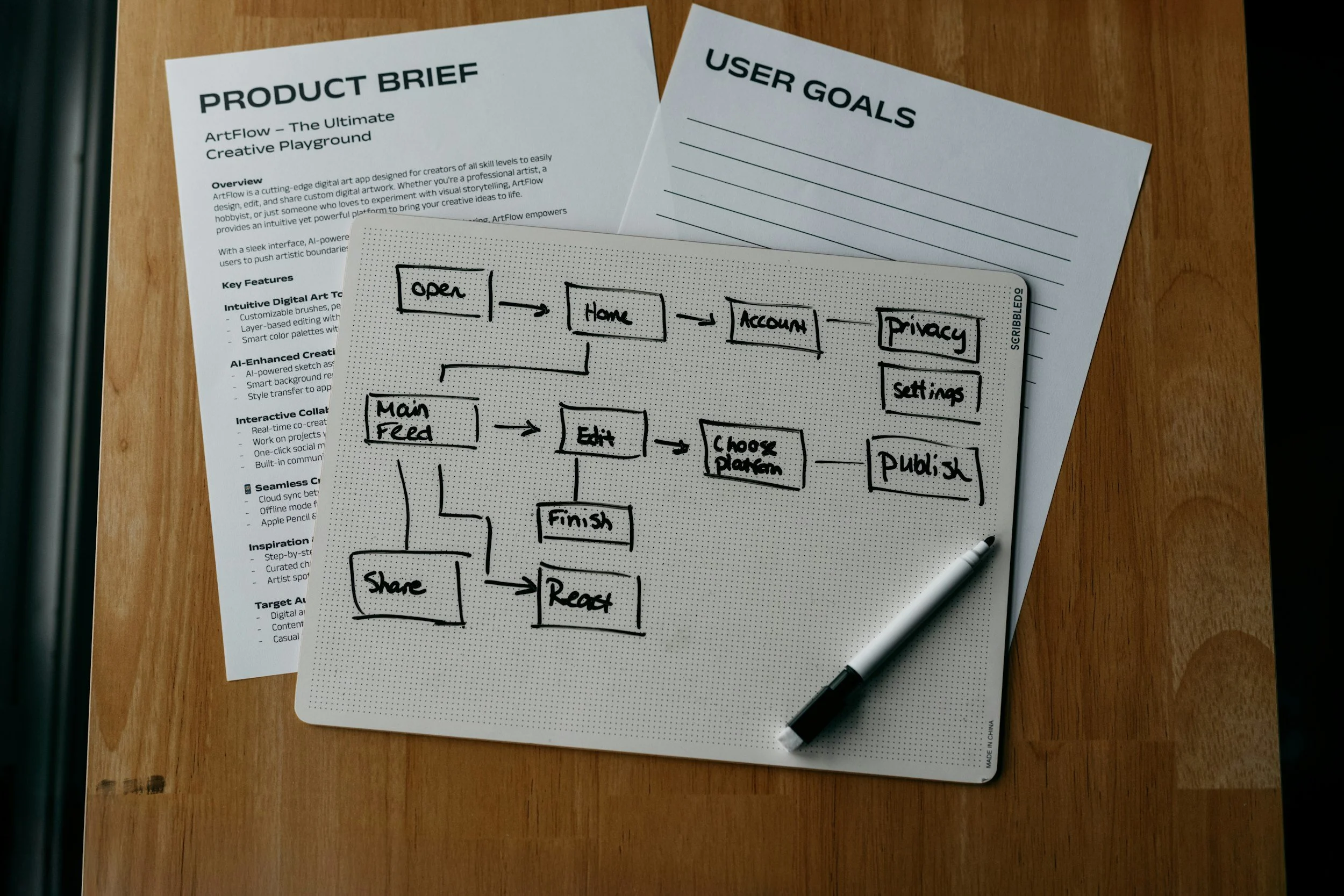
A comprehensive technology integration plan begins by clearly defining your desired end goals. It then outlines a realistic timeline for incorporating technology, encompassing recommendations for online tools, platforms, and hardware. Crucially, the plan also details training and support strategies to ensure that individuals and the wider organization can effectively adopt these new technologies. To track progress, the plan includes specific checkpoints for evaluation.
-
Technology integration plans are tailored to address the unique needs of an organization. While each plan will vary, they often focus on key areas to enhance operations and achieve specific goals. A comprehensive technology integration plan can contain elements such as:
Digital literacy Skills
Integration of Artificial Intelligence (AI):
Increasing Collaboration
Communication Tools
Design and Media Tools
Social Media Integration
Productivity Tools in the Office
Increasing Efficiencies
-
Developing a technology integration plan is a crucial step, whether you're building from the ground up or enhancing your existing resources. This plan should center on your objectives while carefully considering the balance between cost, security, and accessibility. Furthermore, it's important to adopt a future-oriented perspective to minimize the need for repeated overhauls and ensure the longevity of your technology investments.
-
The cost for developing a technology integration plan can vary based on its complexity and scope. Generating the initial plan and presenting it might take anywhere from a couple of days upwards. The overall investment will also depend on whether you require ongoing check-ins and adjustments to the plan. Furthermore, if the plan recommends the purchase of new software or platform subscriptions, these costs would be clearly outlined as part of the potential financial considerations.
-
Technology integration plans typically begin with an initial conversation. However, it's crucial to have more in-depth discussions early on to establish clear goals, identify key performance indicators, define budget parameters, and address other vital considerations that will shape the integration plan.